

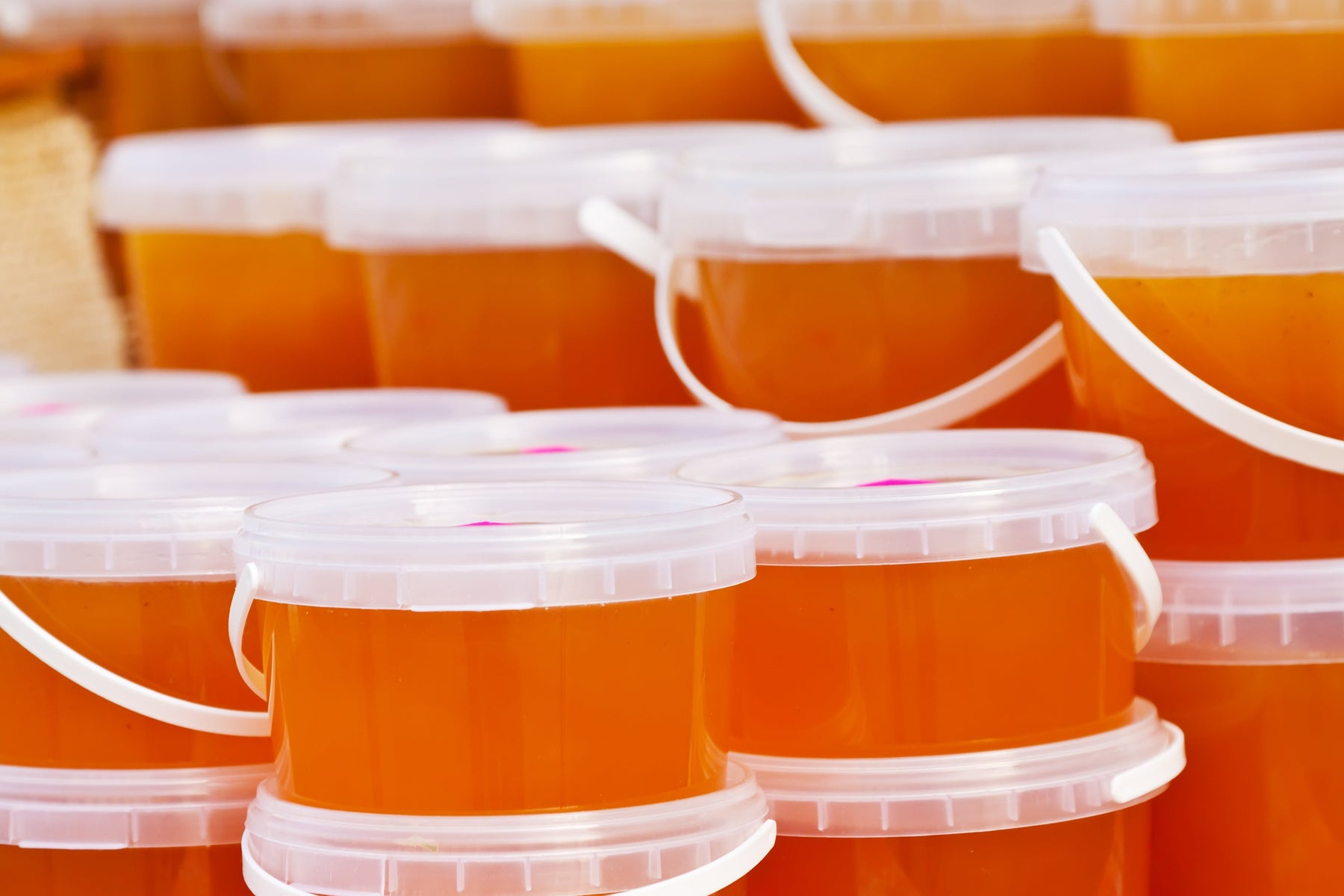
How Much for a Gallon of Honey? Pricing and Buying Tips
Honey's not just a sweet treat; it's a versatile ingredient that adds flavor and health benefits to your meals. If you're considering buying honey in bulk, you might wonder how much a gallon costs. Understanding the price can help you make informed decisions whether you're a home cook, a baker, or just someone who loves this golden nectar.
The cost of a gallon of honey can vary based on factors like the type of honey, its quality, and where you buy it. From local farmers' markets to online retailers, prices can fluctuate significantly. Knowing what influences these costs can help you find the best value while ensuring you get high-quality honey that fits your needs. Let’s look at the details of pricing, quality, and where to find the best honey for your buck.
How Much for a Gallon of Honey
The price of a gallon of honey varies depending on several factors, including type, quality, and source. Typically, buying in bulk offers savings.
General Price Range
A gallon of honey usually costs between $40 and $150. The price differs significantly based on the variety. For instance:
- Wildflower honey: Priced around $40 to $70 per gallon.
- Manuka honey: Costs around $100 to $150 per gallon due to its unique properties.
Quality Influences
Honey quality plays a crucial role in pricing. High-quality honey often contains more nutrients and rich flavors. Factors that determine quality include:
- Purity: Raw honey, unprocessed and free of additives, tends to be pricier.
- Origin: Honey sourced from specific floral regions or organic farms often has a higher price tag.
Purchase Locations
Where you buy honey impacts the cost. Common purchasing options include:
- Farmers' markets: Prices here reflect local production and can offer fresh, high-quality options. Expect costs between $50 and $100 per gallon.
- Online retailers: Numerous brands offer honey at various prices, giving you the chance to compare quality. Prices generally align with the ranges noted above.
Tips for Finding Best Value
To get the best value, consider the following strategies:
- Compare prices: Compare prices from different vendors. Look for bulk discounts.
- Join a co-op: Purchasing through a co-op can often reduce costs, allowing members to buy in larger quantities together.
- Check for local sales: Stay informed about local sales events and seasonal discounts.
Knowing these pricing factors ensures smart purchasing decisions when you seek honey in bulk.
Understanding Honey Pricing
Honey pricing depends on several key factors that affect costs across different varieties and sources. Being aware of these elements helps you make informed purchasing decisions.
Factors Influencing Honey Prices
Quality significantly affects honey prices. Factors such as purity, production method, and origin play a role. Raw honey, minimally processed, typically costs more than regular processed honey because it retains more of its natural character. The floral source also matters; honey from unique flowers often carries a premium price.
Additionally, local conditions impact pricing. Honey gathered from remote or less accessible areas may be priced higher because of limited supply. Seasonal factors can influence availability. During peak seasons, prices tend to decrease due to higher production rates, whereas off-seasons may see increases due to scarcity.
Market locations also contribute to price variations. Retailers like farmers' markets often charge different amounts compared to online stores. Buying directly from local beekeepers might offer fresher options at competitive prices. Lastly, quantities purchased can influence costs; purchasing in bulk typically results in lower per-gallon pricing. Beekeepers who harvest their own honey also save by extracting and bottling at home rather than buying retail.
Types of Honey and Their Costs
Various honey types exist, each with distinct flavors and pricing structures. Common types include wildflower, clover, and Manuka honey. Wildflower honey typically ranges from $40 to $70 per gallon. Clover honey often falls within a similar price range, varying by source and quality.
Manuka honey is one of the most expensive varieties, priced between $100 and $150 per gallon. This cost stems from its unique properties attributed to its source, the Manuka tree in New Zealand.
Other types include herbal-infused honey and local artisanal blends, with prices varying based on ingredients and craftsmanship. Generally, organic honey also commands higher prices, reflecting consumer demand for natural and sustainable products. Being aware of these classifications and their typical costs will help you find the right balance between quality and pricing during your purchase.
Where to Buy Honey
Finding honey from reliable sources enhances both quality and taste. Various purchasing options exist that cater to different preferences, ensuring you get the best products available.
Local Beekeepers
Local beekeepers offer fresh and often organic honey, providing a direct connection to the source. Buying from them supports small businesses and encourages sustainable practices. Local honey typically offers unique flavors, which depend on the floral sources in your area.
Prices for a gallon of honey from local beekeepers generally range from $40 to $100, influenced by quality and production methods. You can locate local beekeepers through farmer markets or community-supported agriculture programs. Visiting bee farms allows you to learn about their methods and the benefits of buying local. Building relationships with beekeepers can result in discovering seasonal varieties that might not be available elsewhere.
Farmers Markets
Farmers markets serve as excellent venues to find a variety of honey products. Typically, you'll find locally sourced options at these markets, ensuring freshness and quality. Many vendors offer pure and organic honey that reflects the local flora.
A gallon of honey at farmers markets usually costs between $50 and $100, depending on the type and vendor. Shopping at these markets allows you to taste samples before making a purchase. Engaging with vendors provides insights into their production processes and tips on using honey. Regular visits can lead to discovering seasonal offerings and special deals.
Online Retailers
Online retailers present a vast selection of honey options, allowing you to compare prices and varieties from the comfort of your home. You can find everything from raw honey to specialty types like Manuka honey or flavored varieties.
Prices for a gallon of honey from online retailers can range widely, from $40 to $150, based on quality and type. Many online platforms offer detailed product descriptions and customer reviews, aiding your purchasing decision. Additionally, some retailers offer bulk purchase discounts or subscription options for regular buyers, ensuring you always have honey on hand.
Calculating the Cost
Average Price Range for a Gallon of Honey
A gallon of honey typically costs between $40 and $150. Prices vary based on factors such as honey type and quality. For instance, wildflower honey often ranges from $40 to $70 per gallon, while more unique varieties like Manuka honey can cost between $100 and $150. Organic and raw options usually sit at the higher end of this range, reflecting consumer preference for natural products. Factors such as purity, floral sources, and local production methods also influence pricing. Knowing these price ranges helps you make informed decisions when selecting honey.
Bulk Purchase Discounts
Buying honey in bulk often leads to significant savings. Many suppliers and retailers provide discounts for larger purchases, which helps reduce the cost per gallon. For example, joining a co-op for bulk buying can cut individual costs considerably. Local beekeepers sometimes offer discounts for multiple gallons, making it more economical to stock up. Buying a 5-gallon bucket of raw honey is one of the lowest per-ounce ways to keep honey on hand. By comparing these bulk options, you can enjoy high-quality honey while staying within budget.
Tips for Buying Honey
Choosing quality honey significantly affects taste and benefits. Various factors determine honey quality, including floral source, purity, and production methods. Look for local or organic honey, as these often offer superior flavor and health benefits. Opt for honey labeled as raw to retain natural enzymes and nutrients. Examine ingredient lists to ensure no additives are present.
Choosing Quality Honey
Inspecting the color and texture of honey can provide insight into its quality. Honey ranges from light amber to dark brown; color often indicates flavor strength. Taste different varieties to find personal preferences. Read labels carefully; pure honey usually contains one ingredient—honey. Consider purchasing from local beekeepers; they often sell fresh, high-quality honey. Checking for certifications like organic or raw also helps distinguish between options. Recognize that higher quality honey comes at a price; investing in good honey yields better taste and health benefits. Avoid products with added sugars or syrups.
Harvesting Your Own Honey
For beekeepers, the cheapest gallon of honey is the one you harvest yourself. After pulling capped frames, you open the wax cappings with an uncapping roller, spin or drain the comb, then filter the honey through a stainless steel honey strainer into a food-grade pail before bottling. A first-time harvester can bring honey from comb to jar with a single basic honey harvesting kit rather than buying the tools separately.
Storage Considerations
Storing honey properly extends its shelf life and maintains flavor. Keep honey in a cool, dark place away from moisture and heat. Glass jars work best for storage; avoid plastic containers for long-term use. If honey becomes crystallized, gently warm it in hot water to return it to liquid form. Avoid microwaving, as high temperatures can damage honey's natural properties. Always ensure the container is tightly sealed to prevent moisture absorption. Honey can last a very long time when stored correctly, providing convenience for long-term use. Monitor for signs of fermentation; spoiled honey may produce bubbles or off smells.
Troubleshooting Common Issues
Purchasing honey involves various factors that may complicate your experience. Addressing common issues ensures you receive quality honey at a fair price.
Why Prices Vary by Region
Different regions produce different types of honey. Factors such as availability, local demand and flowering plants influence prices. For example, honey from urban areas often costs less due to easier access. In contrast, artisanal honey from remote locations may carry higher prices because of limited production and unique flora.
Honey production methods also vary. Regions with established beekeeping practices tend to produce higher quantities and better quality honey. Comparatively, regions with fewer beekeepers may have less supply, which raises costs. Seasonal shifts impact honey availability and pricing as well, with certain periods yielding more abundant flowers and thus more honey.
Prices can range widely, often between $40 and $150 per gallon, based on these regional factors. Keeping these variations in mind helps you understand what influences honey prices in your area.
Identifying Authentic Honey
Identifying authentic honey ensures you purchase a genuine product. Genuine honey is typically free from additives, and its taste should be robust and natural. Look for labels that display terms like "raw" or "organic," which indicate higher quality. These terms usually signify that the honey has not undergone extensive processing.
Sampling different varieties helps develop your preference for authentic flavors. Taste honey for distinct notes that reflect its floral source. Be cautious of honey that is excessively sweet or has an unnatural consistency.
Proper packaging also signals authenticity. Honey is often packaged in glass containers, which preserve flavor and quality well. Checking for product origin on the label provides insights into the honey's sourcing. Supporting local producers often assures quality and authenticity, as you can directly inquire about their production methods and practices.
Conclusion
Understanding the price of a gallon of honey helps you make informed decisions when purchasing this sweet treat. With prices ranging from $40 to $150 depending on the type and quality, you can find options that fit your budget and taste preferences.
Whether you choose to buy from local beekeepers, farmers' markets, or online retailers, your focus should be on quality and authenticity. Comparing different varieties allows you to appreciate the unique flavors honey offers while also considering factors like purity and organic certification.
By taking the time to compare prices, you can enjoy the many benefits of honey without breaking the bank.
Frequently Asked Questions
What are the health benefits of honey?
Honey is known for its natural antibacterial properties and is often used as a soothing food. It also provides antioxidants. Many people prefer it to refined sugar as a natural sweetener.
How much does a gallon of honey cost?
The price of a gallon of honey typically ranges from $40 to $150. Factors such as the type, quality, and where you buy it influence the price. For example, wildflower honey might cost $40 to $70, while premium Manuka honey can range from $100 to $150.
Where can I buy honey in bulk?
You can purchase honey in bulk at farmers' markets, local beekeepers, and online retailers. Farmers' markets often provide fresh, quality options, while online retailers allow for price comparisons and a wider selection.
What factors affect honey pricing?
Honey pricing is primarily influenced by its type (e.g., wildflower vs. Manuka), quality (e.g., organic vs. regular), and purchasing location. Seasonal availability and production methods also play a significant role in determining the cost.
How can I find the best value on honey?
To find the best value, compare prices across locations, consider joining a co-op for bulk purchases, and stay informed about seasonal sales. Checking online retailers can also help compare options for better pricing.
What should I look for when buying honey?
When buying honey, opt for local and organic varieties, and choose raw honey without additives. Pay attention to the color and texture, as they can indicate quality. Tasting different types can also help you find your preferred flavor.
How should honey be stored?
Honey should be stored in a cool, dark place in glass jars to maintain its flavor and extend its shelf life. If honey crystallizes, gently warm it to return to liquid form without overheating.
How can I identify genuine honey?
To identify genuine honey, look for labels that indicate "raw" or "organic." Sampling different varieties helps you understand authentic flavors. Proper packaging in glass containers is also a good sign of quality and authenticity.
Why is local honey recommended?
Local honey is often fresher and can contain beneficial pollen from the region. Supporting local beekeepers also promotes quality and transparency in sourcing.
What is the difference between raw and regular honey?
Raw honey is minimally processed and retains natural enzymes and nutrients. Regular honey, however, may be heated and filtered, losing some of its nutritional value and flavor profiles.
Beekeeping supplies from Blythewood Bee Company
If buying a gallon retail feels steep, beekeepers can bottle their own at a fraction of the cost. These are the bulk honey and harvest tools that take honey from comb to jar:
- Raw Strained Honey — Gallon (128 oz) — a full gallon of unfiltered, unpasteurized South Carolina honey.
- Raw Strained Honey — 5 Gallon Bucket — the lowest per-ounce bulk size, in a sealed food-grade bucket.
- Basic Honey Harvesting Equipment Kit — the core tools to harvest and bottle your own honey.
- Stainless Steel Honey Strainer — filters wax and debris from honey before bottling.

Leave a comment