

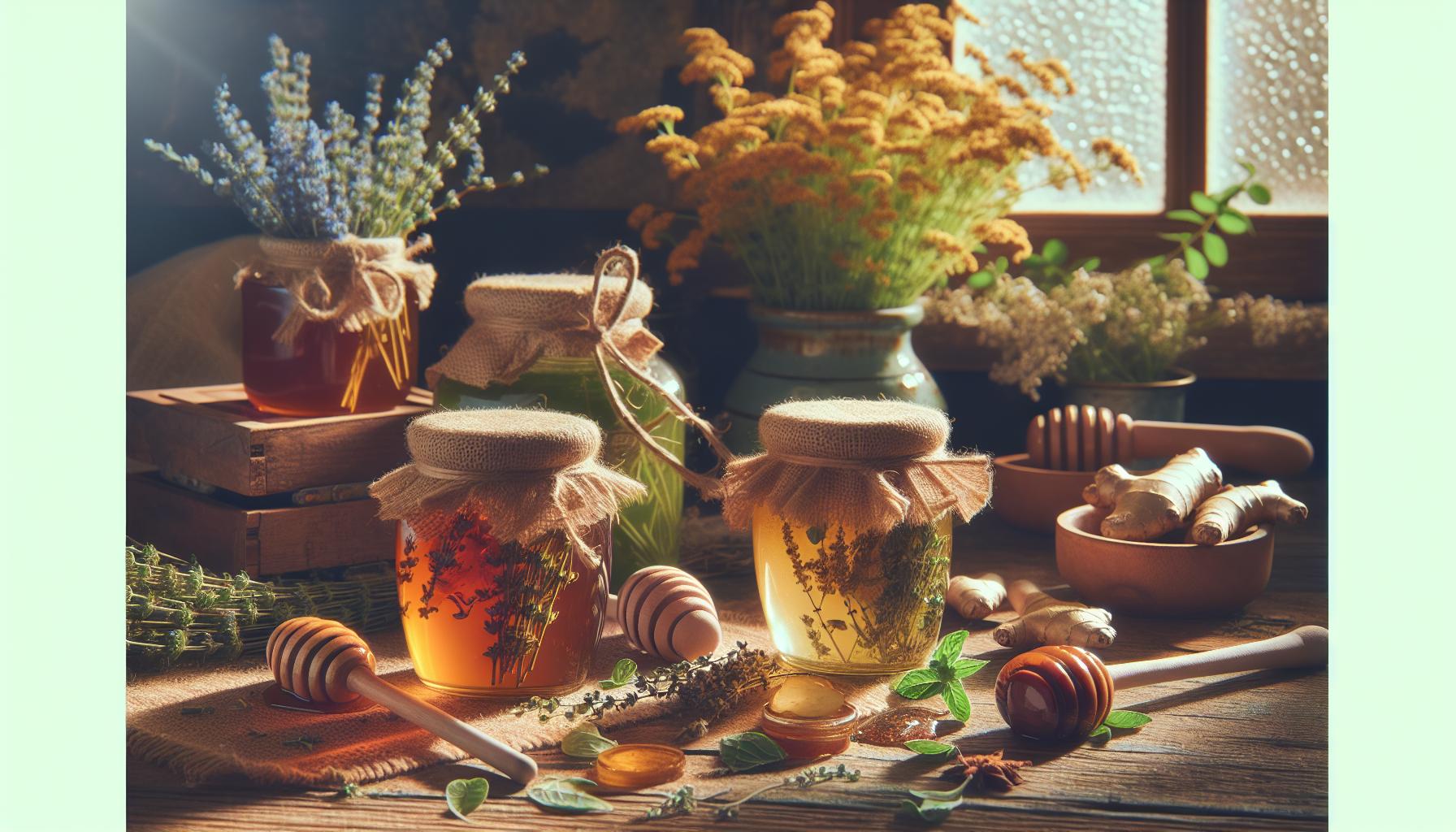
Easy Guide to Infusing Honey with Herbs for Flavor and Health Benefits
Infusing honey with herbs is a simple way to add new flavors to its natural sweetness. Whether you're a seasoned cook or just starting in the kitchen, this straightforward process opens up a range of possibilities.
From rosemary to lavender, the right herbs can complement honey's rich taste, making it useful for drizzling over toast, stirring into tea, or adding to dressings. Infused honey also makes a thoughtful homemade gift. This guide walks through the art of herb-infused honey and how easy it is to create your own blends.
Infusing Honey With Herbs
Infusing honey with herbs involves a straightforward process that adds flavor. Follow these steps to create your own herb-infused honey.
Choose Your Honey
Select a type of honey that complements the herbs. Options include:
- Wildflower honey: A mild choice that pairs well with various herbs.
- Clove honey: Spicy and robust, good for stronger herbs.
- Clover honey: Light and sweet, suited to delicate herbs.
A mild, raw honey makes an excellent base. A pint of raw strained honey is enough for several small jars of infusion.
Pick Your Herbs
Choose fresh or dried herbs based on taste and intended use. Recommended herbs include:
- Rosemary: Adds a savory note.
- Thyme: Brings a slightly earthy flavor.
- Lavender: Provides a floral touch.
- Mint: Offers a refreshing taste.
Prepare Your Materials
Gather the following items:
- Glass jar with a lid: Make sure it is clean and dry.
- Honey: Use enough to fill your jar.
- Herbs: Chop or bruise fresh herbs to release oils. For dried herbs, use approximately one tablespoon per cup of honey.
Combine Honey and Herbs
- Layering: Place herbs at the bottom of the jar. Pour honey over them until the jar is full. A wooden honey dipper helps you move thick honey cleanly without dripping.
- Mixing: Stir gently to combine herbs and honey. Make sure herbs are submerged in honey.
Infuse Over Time
- Infusion duration: Allow the mixture to sit in a cool, dark place for at least 1 week. For stronger flavor, infuse for 2 to 4 weeks.
- Checking: Taste the honey after the first week. Adjust infusion time based on your preference.
Strain If Desired
After the infusion time, you can strain the honey to remove herbs:
- Using a fine mesh strainer: Pour the honey through to remove solid pieces.
- Storing: Transfer the strained honey back into a clean jar.
Store Your Infused Honey
Store your herb-infused honey in a cool, dark place. Proper storage helps maintain flavor and freshness. Shelf life typically lasts up to 1 year.
Usage Ideas
Use your infused honey in various ways:
- As a sweetener: Add to tea, coffee, or smoothies.
- In recipes: Incorporate into dressings, marinades, or baked goods.
- As a gift: Present your blends in decorative jars for friends and family.
This method provides a simple yet effective way to create flavor-rich honey blends. Experiment with different combinations to find what suits your taste.
Benefits of Infusing Honey With Herbs
Infusing honey with herbs offers benefits for both flavor and variety in the kitchen.
Flavor and Variety
Combining honey with herbs such as rosemary, thyme, or lavender creates distinct flavor profiles from a single base honey. Rosemary lends a savory, aromatic note; thyme adds an earthy depth; lavender brings a soft floral character; and mint adds brightness. Infused honey lets you build a small pantry of single-jar flavors to match different dishes and drinks.
Culinary Uses
Infused honey is versatile in the kitchen. Use it as a sweetener for various dishes, adding flavor without overpowering. For instance, drizzle herb-infused honey over roasted vegetables or grilled meats for an extra layer of taste.
Incorporate infused honey into beverages. Add it to tea for a unique twist or mix it into cocktails for added complexity. Use lavender-infused honey in lemonade for a refreshing herbal note.
Use it in baking. Substitute plain honey with infused varieties for cakes or muffins. Infused honey can also work as a sweetener in salad dressings, complementing vinaigrettes with its herb flavors.
Gifting infused honey adds a personal touch. Package it in a decorative jar with a handmade label for a thoughtful present.
Materials Needed
Gathering the right materials is essential for successfully infusing honey with herbs.
Honey
Select honey that complements your chosen herbs. Types such as wildflower, clove, and clover honey each provide distinct flavors. Opt for high-quality, raw honey whenever possible to maximize taste. One cup of honey serves as a standard quantity for most infusions. The flavor profile of the honey interacts with the herbs, creating a blend tailored to your preferences.
Herbs
Choose herbs based on desired flavor. Popular options include rosemary, thyme, lavender, and mint. Both fresh and dried herbs work effectively for infusion. Use approximately 1 to 2 tablespoons of dried herbs or 2 to 4 tablespoons of fresh herbs per cup of honey. Experimenting with different herb combinations allows for flavorful variations.
Storage Containers
Select appropriate storage containers to keep your infused honey fresh. Use clean glass jars with airtight lids for the best results. A common size is an 8-ounce Muth jar, which accommodates most infusion amounts. Make sure the jars are clean and dry before use. Labeling the jars with the infusion date and herb type serves as a helpful reminder when using the honey later. Store the jars in a cool, dark place to preserve the flavors and extend their shelf life.
Tools Required
Gathering the right tools plays a role in the process of infusing honey with herbs.
Kitchen Scale
A kitchen scale provides accurate measurements for herbs and honey. Weigh out herbs in grams for consistency. Using a scale helps prevent overloading the honey, which could lead to an overpowering herbal flavor. Many recipes suggest around 15 to 30 grams of dried herbs per 400 grams of honey. A digital scale that displays both grams and ounces adds versatility.
Mixing Utensils
Choose a heat-resistant spatula or wooden spoon to combine the honey and herbs. Silicone or wooden utensils help prevent scratching glass jars during the mixing process. A small whisk can help with more thorough mixing if the honey is thick. A funnel is also useful for transferring the mixture into jars without spills.
Straining Equipment
Use a fine mesh strainer or cheesecloth to separate the herbs from the honey after steeping. A mesh strainer offers convenience with a built-in handle for easy pouring. If using cheesecloth, double it for a finer filtration. Set your strainer over a bowl or jar, pour the infused honey, and allow it to drain completely so no herb residue remains.
Step-by-Step Guide to Infusing Honey With Herbs
Follow these steps for a successful infusion.
Selecting the Right Herbs
Choose herbs based on flavor. Common choices include:
- Rosemary – Offers a strong, aromatic flavor.
- Thyme – Adds an earthy taste.
- Lavender – Delivers a floral note.
- Mint – Provides a fresh taste.
Select fresh or dried herbs depending on availability. Fresh herbs typically provide a stronger flavor, while dried herbs offer convenience and longer shelf life. Always choose high-quality herbs for a flavorful infusion.
Preparing the Herbs
Wash fresh herbs thoroughly under running water to remove dirt. Shake off excess moisture and chop them into smaller pieces to increase surface area, promoting better infusion. For dried herbs, crush them slightly to release essential oils while preserving their integrity.
Tip: Use approximately one tablespoon of fresh herbs or one teaspoon of dried herbs for every cup of honey. This ratio keeps flavors balanced without overwhelming the honey's sweetness.
Combining Honey and Herbs
Gather your chosen herbs and honey into a clean glass jar. Steps to combine:
- Layer herbs at the bottom of the jar.
- Pour honey over the herbs, making sure they are fully submerged.
- Stir gently using a clean utensil to mix the herbs and honey.
Leave enough space in the jar to prevent overflow when infusing. A wide-mouth jar makes the mixing process easier.
Infusion Process
Seal the jar tightly and place it in a cool, dark area for at least one week. Gently shake the jar every few days to help circulate the flavors.
Optional: Taste the honey after one week. If a stronger flavor is desired, continue infusing for an additional week. Once satisfied with the flavor, strain the honey through a fine mesh strainer or cheesecloth to remove the herbs, transferring the infused honey into a clean jar for storage.
Store infused honey in a cool, dark place, with a shelf life of several months when properly sealed.
Straining the Infused Honey
Straining infused honey gives a smooth texture while removing undissolved herb particles. Follow these steps for effective straining.
- Prepare Your Equipment
Gather fine mesh strainers or cheesecloth. Arrange them over a clean bowl or jar to catch the honey as it flows through. Make sure all equipment is dry to avoid water contamination.
- Pour the Infused Honey
Carefully pour the infused honey into the strainer or cheesecloth setup. Allow it to flow naturally. Avoid pressing or forcing the honey through, which could push unwanted particles into the final product.
- Let It Drip
Allow the honey to drip for several minutes. Give it time to filter fully for the best end result.
- Gather the Herb Residue
Once most of the honey has dripped through, gather the cloth or strainer together, if using cheesecloth. Squeeze gently to extract any remaining honey. Discard or compost the herb residue after straining.
- Transfer to Storage Jars
Pour the strained honey into clean glass storage jars. Use a funnel if necessary to avoid spills. Make sure the jars are clean and dry for long-term storage.
- Label the Jars
Label each jar with the herb type and the infusion date. This practice helps track freshness and allows for easy identification during usage.
Straining infused honey results in a smoother texture and makes the finished honey easier to use in the kitchen.
Tips for Successful Infusion
Infusing honey with herbs requires careful consideration to achieve the best results.
Choosing Quality Honey
Select raw honey for the best flavor. Raw honey preserves its natural enzymes. Consider floral variety when selecting honey. Wildflower honey offers a sweet and complex flavor, while clover honey tends to be milder. Look to local producers for freshness. Inspect the consistency of the honey as well. Avoid overly processed or pasteurized honey, since these types often have a flatter flavor. Store the honey in a cool, dark place until you're ready to infuse, as exposure to heat and light can reduce quality.
Experimenting with Herbs
Choose herbs based on flavor profile. Common options include rosemary, thyme, lavender, and mint. Mix fresh and dried herbs for varied intensity; fresh herbs generally yield a more robust flavor, while dried herbs offer convenience and longer shelf life. Start with small quantities of herbs, like 1-2 tablespoons for every cup of honey. This lets you control the flavor infusion. Taste the mixture periodically during the infusion process to gauge flavor strength. Try combining multiple herbs to create unique blends. Always note the combinations used for future reference and repeat successful mixtures.
Troubleshooting Common Issues
Addressing common problems during the infusion process can help ensure a successful outcome for your herb-infused honey.
Infusion Doesn't Taste Strong Enough
If the infusion lacks flavor, consider these steps:
- Extend Infusion Time: Allow the honey to infuse for an additional week or two. A longer infusion time generally enhances flavor.
- Increase Herb Amount: Use more herbs in the honey combination. Doubling the quantity may provide a stronger herbal taste.
- Choose Potent Herbs: Opt for herbs with a naturally strong flavor profile. Herbs like rosemary or thyme can create a more pronounced infusion.
- Shake Regularly: Gently shake the jar daily to mix the honey and herbs. This promotes better flavor distribution.
- Taste Testing: Sample the infused honey after a week to determine if more time or herbs are necessary.
Honey Crystallization
Crystallization is a natural process in honey. Although crystallized honey can be used, it can be inconvenient. Here's how to address it:
- Heat Gently: Place the jar in warm water at a temperature below 140°F. Stir with a spoon to dissolve crystals without damaging the honey.
- Store Properly: Store honey in a cool, dark place to slow down crystallization. Avoid refrigeration, as it speeds up this process.
- Add Liquid Honey: Mix in a small amount of uncrystallized honey when blending to help maintain smoothness.
- Use Glass Containers: Glass jars are better for honey storage, as they prevent moisture absorption that can lead to crystallization.
Mold Development
- Ensure Proper Sealing: Seal jars tightly to prevent moisture from entering. Use airtight containers for best results.
- Use Clean Tools: Always use clean utensils and jars during the infusion process. Contaminated materials can introduce mold spores.
- Check Herbs: Make certain the herbs used are dry and fresh. Moldy or damp herbs can spoil the honey.
- Inspect Storage Conditions: Keep honey in a cool, dark location. High humidity or heat can promote mold growth.
- Discard Contaminated Honey: If mold appears, discard the honey.
Alternative Methods of Infusing Honey
Infusing honey with herbs can take on several methods. Explore these alternative approaches to expand your infusion techniques.
Cold Infusion Method
- Gather materials: Use clean glass jars, raw honey, and fresh or dried herbs.
- Combine ingredients: Layer or mix the herbs with honey in the jar.
- Seal and shake: Secure the lid on the jar. Shake gently to mix ingredients.
- Store in a cool dark place: Place the jar away from direct sunlight. Allow it to sit for 2 to 4 weeks.
- Taste for strength: Open the jar periodically to taste the honey. Continue steeping if stronger flavors are desired.
- Strain if preferred: Once you reach the desired flavor, strain the honey to remove herb particles.
Warm Infusion Method
- Gather materials: Obtain a double boiler or a heat-safe container, raw honey, and herbs.
- Combine honey and herbs: In a double boiler, mix honey and herbs in equal parts.
- Warm gently: Heat the mixture over low heat for 20 to 30 minutes. Avoid boiling the honey to preserve its properties.
- Monitor aroma: Pay attention to the scent as the herbs infuse. Stronger aromas indicate readiness.
- Remove from heat: Once the infusion is complete, remove the container from heat and cool slightly.
- Strain the mixture: Strain the honey to remove herb pieces before transferring it to a clean jar.
Microwave Infusion Method
- Gather materials: Acquire a microwave-safe container, raw honey, and herbs.
- Mix honey and herbs: Combine the honey with herbs in the container. Use a 2:1 ratio of honey to herbs.
- Microwave briefly: Heat the mixture on low power for 30 seconds. Mix after each interval to ensure even heating.
- Check temperature: Make sure it remains warm but does not boil. Repeat until aromatic.
- Cool and strain: Allow the infusion to cool. Strain the honey and transfer it to a jar for storage.
Oil Infusion Preparation
- Gather materials: Use raw honey, herbs, and a neutral oil, such as olive or grapeseed.
- Blend oil and herbs: Mix herbs into the oil at a 1:1 ratio.
- Warm gently: Heat the oil over low heat for 30 minutes to an hour. Maintain a gentle simmer without boiling.
- Combine infused oil and honey: Mix the infused oil into the honey for added flavor.
- Store as usual: Transfer to a clean jar. Store in a cool dark place and use within six months.
These alternative methods allow for creativity and experimentation as you develop your own herbal flavors.
Conclusion
Infusing honey with herbs adds flavor and variety that you can easily explore at home. Whether you're enhancing your morning tea or making a unique gift, the possibilities are wide. With a few simple steps and quality ingredients, you can craft your own herbal blends.
Experiment with different herbs and honey types to find your preferred combination. Each infusion is a chance to express your creativity and enjoy the results.
Frequently Asked Questions
What is herb-infused honey?
Herb-infused honey is honey that has been combined with herbs to add flavor. This infusion process allows the honey to take on the taste of the chosen herbs, making it versatile for culinary uses.
How do you infuse honey with herbs?
To infuse honey, select your desired herbs and type of honey. Combine them in a clean glass jar, seal it, and let it sit in a cool, dark place for at least a week. After infusion, you can strain the honey to remove herb particles for a smoother texture.
What herbs are best for infusing honey?
Recommended herbs for infusing honey include rosemary, thyme, lavender, and mint. Each herb offers a distinct flavor, so choose based on your taste preferences.
How long does herb-infused honey last?
When stored properly in a clean, airtight glass jar, herb-infused honey can last up to one year. For best results, keep it in a cool, dark place to maintain flavor and freshness.
How can I use herb-infused honey in cooking?
Herb-infused honey is versatile and can be used in various culinary applications. Drizzle it over toast, mix it into tea, use it in salad dressings, or incorporate it into baked goods and roasted vegetables for added flavor.
What materials do I need to infuse honey with herbs?
To infuse honey, you will need high-quality raw honey, chosen herbs, a clean glass jar with an airtight lid, and basic kitchen tools like mixing utensils and a kitchen scale for accurate measurements.
What should I do if my infused honey crystallizes?
Crystallization is natural for honey. To fix it, gently warm the jar in a warm water bath until the crystals dissolve. Avoid overheating, as this can affect honey's quality and flavor.
Can I give herb-infused honey as a gift?
Yes. Herb-infused honey makes a thoughtful gift. You can improve its presentation by using decorative packaging and handmade labels for a personal touch.
Beekeeping supplies from Blythewood Bee Company
Everything you need to make your own herb-infused honey — raw honey, jars, and bottling tools — is available from our store.

Leave a comment