

Is Raw Unfiltered Honey Safe? Key Facts You Need to Know
Raw unfiltered honey has gained popularity for its natural sweetness and minimally processed form. Many people are drawn to it as an alternative to regular honey. However, questions about its safety often arise, especially for vulnerable populations like infants and those with weakened immune systems.
Understanding the safety of raw, unfiltered honey is helpful for consumers. This article looks at the safety aspects of raw honey, exploring its nutritional properties, potential contaminants, and guidelines for safe consumption, so readers can make informed decisions about including it in their diets.
Overview of Raw Unfiltered Honey
Raw unfiltered honey is honey that hasn't gone through filtration or pasteurization. It retains its natural enzymes, antioxidants, and phytonutrients. The lack of processing preserves its original flavor, which appeals to many consumers.
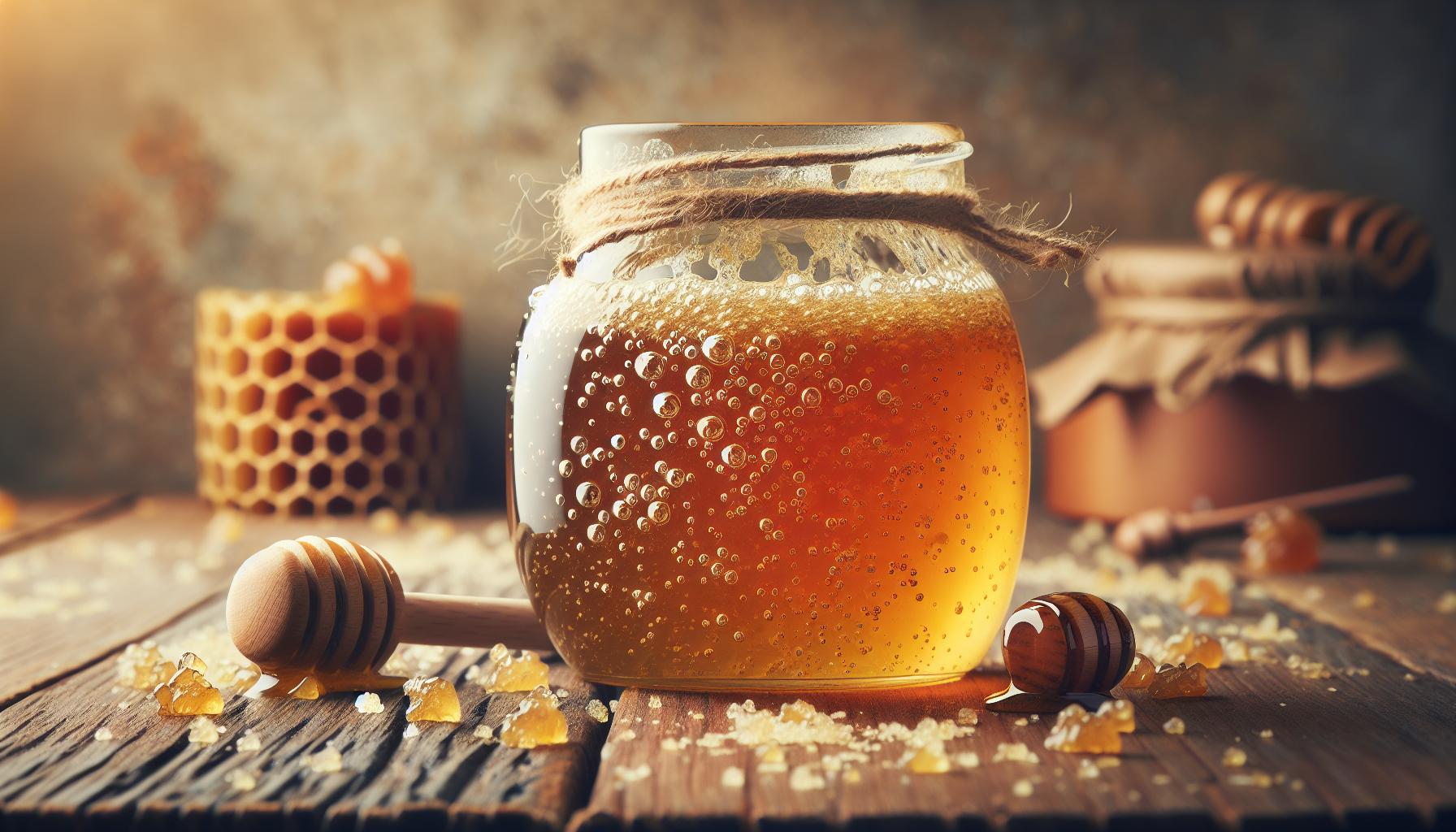
Raw honey often appears cloudy and thick. This cloudiness comes from bee pollen, propolis, and small air bubbles. While some prefer the smooth texture of regular honey, others favor the rustic quality of raw honey, such as our raw strained honey, which is strained but never filtered or pasteurized.
Nutritionally, raw unfiltered honey contains small amounts of vitamins and minerals along with antioxidants. As with any sweetener, it is best enjoyed in moderation as part of a balanced diet.
Safety remains a key consideration. Raw, unfiltered honey can contain spores of Clostridium botulinum, which may pose a risk to infants under 12 months old. These spores can lead to infant botulism, a rare but serious illness. Adults and older children generally have a developed digestive system that can handle these spores without harm.
Individuals with weakened immune systems should consider the risks before consuming raw honey and may be more susceptible to foodborne illnesses. These individuals should consult their healthcare providers regarding safe dietary choices.
When selecting raw honey, look for reputable sources. Trusted producers often provide information about their production practices and quality standards. Reading labels can reveal whether the product contains additives or has undergone any filtration. You can browse our full range of pure raw honey products to see how ours is described and packaged.
Raw unfiltered honey offers a distinctive flavor and minimally processed character. It also carries safety considerations, particularly for infants and those with weakened immune systems. Choosing high-quality products from reputable sources helps reduce the risks associated with raw honey consumption.
Nutritional Profile of Raw Unfiltered Honey
Raw unfiltered honey has a nutritional profile worth understanding before adding it to your diet.
Natural Sugars and Energy
Natural sugars in raw honey are a source of food energy. Composed mainly of fructose and glucose, these sugars are carbohydrates the body can use for fuel. A tablespoon of honey contains roughly 64 calories and about 17 grams of sugar. Like other sweeteners, honey is a concentrated source of sugar and is best used in moderation.
Vitamins and Minerals
Raw honey contains small amounts of vitamins and minerals, including trace amounts of B and C vitamins and minerals such as calcium, iron, and magnesium. It also contains plant compounds known as antioxidants. The exact composition varies with the floral source of the nectar. Honey is not a significant source of these nutrients on its own, but it can be part of a varied, balanced diet.
Potential Risks Associated with Raw Unfiltered Honey
Raw unfiltered honey can carry certain risks. Understanding them helps in making safer choices when consuming this natural bee product.
Bacterial Contamination
Raw honey may contain spores of Clostridium botulinum, which can cause botulism in infants. Infants under 12 months should avoid raw honey due to their immature digestive systems. Adults and older children generally handle these spores without issue. Proper handling and storage of honey reduce the risk of contamination. For safer options, look for honey from trustworthy producers who follow sanitary practices.
Allergic Reactions
Some individuals may experience allergic reactions to raw honey. Allergens can come from pollen, which is often present in this type of honey. Symptoms of an allergic reaction can include itching, swelling, or difficulty breathing. Those with existing pollen allergies may have a higher chance of reacting to raw honey. It's important to monitor for signs of allergies when consuming honey for the first time. When in doubt, consulting a healthcare provider can help clarify individual risks.
Considerations for Specific Populations
Certain groups should take extra care when consuming raw honey. Individuals with weakened immune systems may have increased susceptibility to foodborne illnesses and should consult a healthcare provider. Pregnant women and elderly individuals may also wish to exercise caution. Consulting a healthcare professional before including raw honey in the diet offers additional reassurance for vulnerable populations.
Safety Recommendations for Consumption
Raw, unfiltered honey can be enjoyed safely with some care in storage, handling, and product selection.
Proper Storage and Handling
Storing raw honey correctly helps prevent contamination and maintain quality. Keep honey in a cool, dark place, away from direct sunlight. Make sure the lid is tightly sealed to avoid moisture exposure, which can lead to fermentation. Use clean utensils when scooping honey to avoid introducing bacteria. Avoid storing honey in the refrigerator, as cold temperatures can promote crystallization. If crystallization occurs, gently warm the jar in warm water to restore its liquid form without degrading its quality.
Choosing Quality Products
Selecting high-quality raw honey matters for both safety and flavor. Source honey from trusted local producers or well-known sellers. Check labels for purity and avoid products with added sugars, syrups, or artificial ingredients. Look for honey that has undergone minimal processing so it retains its natural character. Reputable sources often provide information about their production methods and safety practices. Reading reviews and seeking recommendations can help confirm product quality before a purchase.
Conclusion
Raw unfiltered honey can be a flavorful addition to a balanced diet when consumed safely. Many people enjoy its distinctive taste and minimally processed character. It's also worth being mindful of the potential risks, especially for vulnerable populations.
Choosing high-quality honey from reputable sources and practicing proper storage can significantly reduce contamination risks. For those with health concerns or specific dietary restrictions, consulting a healthcare professional is always a wise choice. With these precautions, individuals can enjoy the natural sweetness of raw unfiltered honey safely.
Frequently Asked Questions
What is raw unfiltered honey?
Raw unfiltered honey is honey that has not been filtered or pasteurized. This means it retains its natural enzymes and plant compounds, giving it a thicker and cloudier appearance due to the presence of bee pollen and propolis.
What is the nutritional profile of raw unfiltered honey?
Raw honey is mainly sugar and provides food energy. It also contains small amounts of vitamins, minerals, and antioxidants. It is a concentrated sweetener, so it is best used in moderation as part of a balanced diet.
Is raw honey safe for everyone?
Raw honey is not recommended for infants under 12 months due to the risk of Clostridium botulinum spores. Adults and older children generally can handle these spores, but those with weakened immune systems should consult a healthcare provider before consumption.
How should raw honey be stored?
To maintain quality and reduce contamination risks, store raw honey in a cool, dark place with a tightly sealed lid. Always use clean utensils when scooping to keep it pure and avoid introducing bacteria.
Can people with pollen allergies consume raw honey?
Individuals with pollen allergies should exercise caution when consuming raw honey, as it may trigger allergic reactions. It's advisable to consult a healthcare professional before trying it, especially for those with known allergies.
How can I choose high-quality raw honey?
Select raw honey from reputable local producers or well-known sellers. Always check labels for purity, and avoid products that contain added sugars or artificial ingredients to make sure you're getting genuine raw honey.
Beekeeping supplies from Blythewood Bee Company
If you'd like to try raw honey for yourself, here is our own South Carolina honey, strained but never filtered or pasteurized.

Leave a comment